
Congratulations to Connor Benoit (MA, 2026), who
Simpson Named to 2026-2027 Junior Scholars Cohort
Thu, 07/09/2026 - 11:15amTop Stories
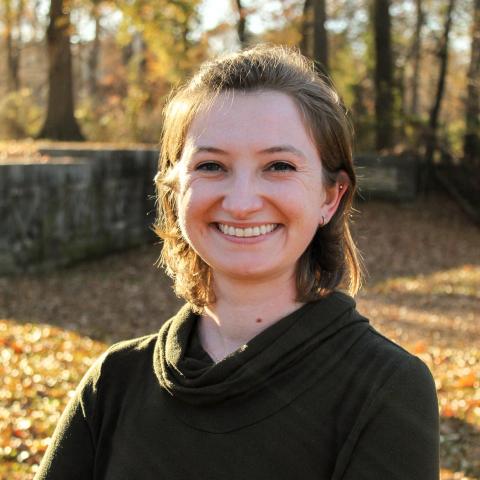 Congratulations to Dr. Kaitlin Simpson, assistant professor of history, for being named to the Southern Historical Association's 2026-2027 Junior Scholars Cohort. As a member of the nine-person cohort, Simpson will present her research in the SHA Junior Scholars Workshop series, which "provides early career professionals (those who have not yet published an academic monograph) and advanced graduate students with an incredible opportunity to share their work and receive valuable feedback from senior scholars and workshop attendees. . . . This 2027-27 cohort was selected from 50 insightful projects that promise to shape historical scholarship in the years to come."
Simpson will present “Flowers on the Move: Japanese Americans, Cooperation, and the Rise of Sunbelt Commercial Flower Production” as part of the workshop series on March 18, 2027.
The full Junior Scholars Workshop schedule includes:
August 20 – Beatrice Adams, “‘Sisters in Charge’: Atlanta and the Making of the New Great Migration”
September 17 – David Kay, “Doldrums, Dollars, and Dispatches: the Union Blockade and Black Sailors in Civil War Era North Carolina, 1862-1864”
October 15 – Micah Carlson, "Ghosts as a Resistance Archive: Silence, Dust, and Time in a Heritage Park"
November 19 – Mélena Laudig, “Seeking School: Missionary Experiments, Gullah Rituals, and Models of Religious Education on the Civil War-Era Sea Islands"
January 21 – Elizabeth Barahona, “Pushing Advocacy Forward: LGTBQ Rights and Black-Brown Solidarity Mandy Carter and Theresa El Amin”
February 18 – Youngin Jang, “‘To Sell His Interest in Said Negro Apprentice’: Chattel Principle of Slavery in Free Black Apprenticeships”
March 18 – Kaitlin Simpson, “Flowers on the Move: Japanese Americans, Cooperation, and the Rise of Sunbelt Commercial Flower Production”
April 15 – Ellie Palazzo, “Farmworkers, Populists, and Culinarians: Cultivating a New South, 1862-1896”
May 20 – Katrina Stack, “Preserving Freedom Houses: Community, Memory, and the Civil Rights Movement”